

The Extradition Process in Venezuela: An Overview
The extradition process in Venezuela is a complex legal procedure shaped by the country’s unique political, social, and legal environments. The process involves various legal considerations, challenges, and implications for those involved, be they extradition requestors or individuals facing extradition. Understanding this process requires a multi-faceted approach that examines the legal framework, the challenges inherent in the Venezuelan judicial system, and the broader implications for human rights and international relations.
Legal Framework Governing Extradition
The legal foundation for extradition in Venezuela is primarily governed by the Constitution of the Bolivarian Republic of Venezuela, various international treaties, and domestic laws. Article 18 of the Venezuelan Constitution establishes that no Venezuelan can be extradited, though it allows for the possibility of extraditing foreigners charged with crimes that are also punishable under Venezuelan law.
Moreover, Venezuela is a signatory to several international treaties that govern extradition, including the Inter-American Convention on Extradition and bilateral agreements with various countries. These treaties often stipulate the conditions under which extradition may be granted — typically requiring the existence of an extraditable offense in both jurisdictions and ensuring that the accused does not face the death penalty or torture upon extradition.
Extradition Process Steps
The extradition process in Venezuela generally involves the following steps:
- Request Submission: A formal request for extradition is submitted by a foreign government through diplomatic channels. This request needs to include documentation that substantiates the charges against the person sought for extradition.
- Initial Review: Venezuelan authorities, typically the Ministry of Foreign Affairs and the Attorney General, review the request to ensure it meets legal requirements.
- Judicial Review: If the request is deemed valid, it moves to the judicial system, where a judge assesses the legal basis for extradition in light of Venezuelan law and international treaties.
- Decision-Making: The judge’s ruling can be appealed, either by the individual sought for extradition or the requesting country. The final decision rests with the Executive Branch, which has the discretion to grant or deny the extradition.
Challenges in the Extradition Process
Despite the established legal framework, numerous challenges complicate the extradition process in Venezuela. These include:
Political Influence
The Venezuelan judiciary is often seen as susceptible to political pressures. Cases involving high-profile individuals or those accused of political crimes can be influenced by the country’s political climate, which may result in decisions that do not adhere strictly to the legal framework.
Human Rights Concerns
Human rights organizations have raised concerns about the treatment of extradited individuals, especially in relation to the potential for torture or unfair trials. The Venezuelan judiciary’s independence is questioned, and critics argue that extradition could put individuals at risk of severe human rights violations.
Diplomatic Relations
The state of diplomatic relations between Venezuela and requesting countries significantly impacts the extradition process. Strained relationships can lead to lengthy negotiations or outright refusals for extradition, particularly if the requesting country is perceived as antagonistic toward the Venezuelan government.
Notable Extradition Cases
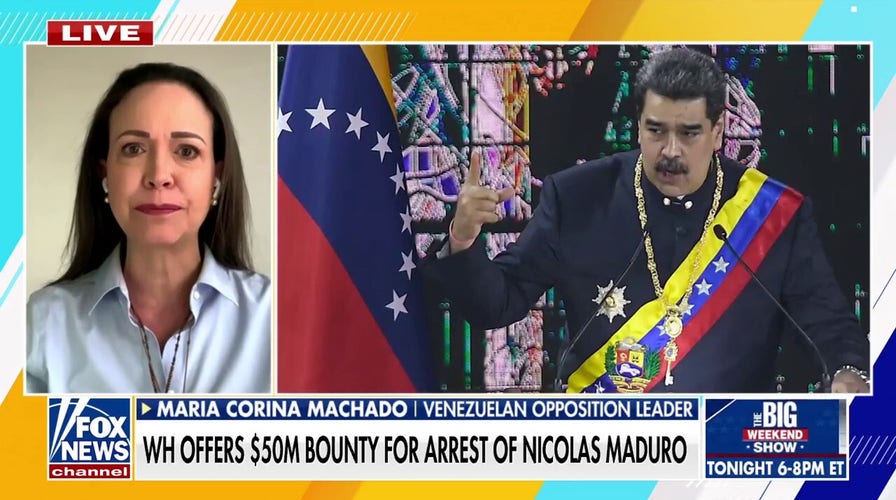
Several notable extradition cases have highlighted the complexities and challenges within the Venezuelan extradition process. For instance, the case of the former Venezuelan official Hugo Carvajal, who was sought by the United States on drug trafficking charges, showcased both the political and international dimensions of extradition in Venezuela. His case triggered significant attention due to its implications for U.S.-Venezuela relations and the handling of politically charged extradition requests.
International Perspectives and Implications
Venezuela’s extradition process does not exist in a vacuum. The handling of extradition requests can have broader implications on international relations and insights into Venezuela’s judicial independence. Many countries view the extradition process as a test case for Venezuela’s commitment to uphold rule of law and international cooperation.

Moreover, the treatment of individuals once extradited, and their subsequent legal proceedings, draws scrutiny not only from human rights organizations but also from international bodies that monitor adherence to fair trial standards and human rights protections.
Conclusion
The extradition process in Venezuela embodies the intersection of law, human rights, and international diplomacy. Despite the frameworks that govern it, the realities on the ground reveal the complexities and challenges that individuals face when extradition is involved. The political climate, human rights concerns, and the interplay of international relations all contribute to a multi-faceted process that requires continued scrutiny and examination.