

Understanding OFAC Sanctions on Cuba: A Comprehensive Guide
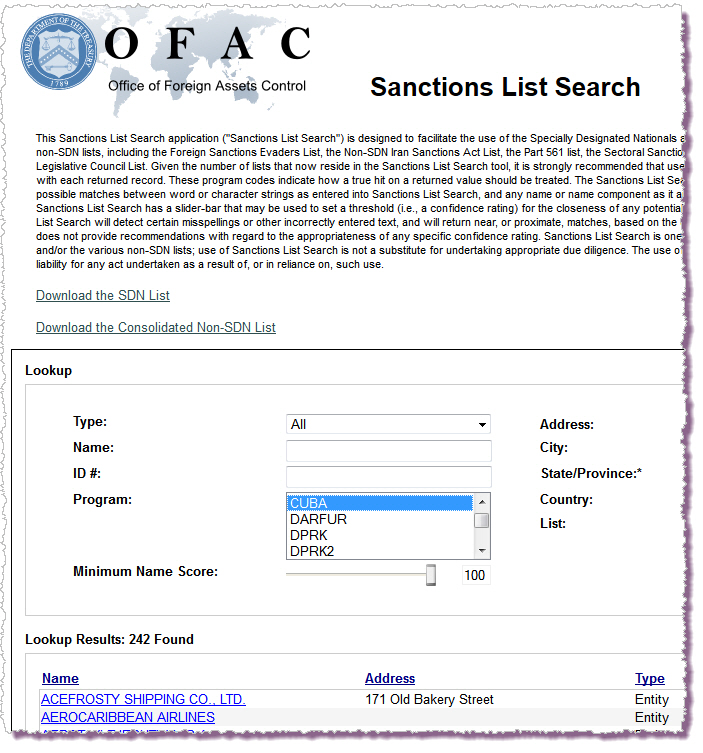
The U.S. Department of the Treasury’s Office of Foreign Assets Control (OFAC) administers and enforces economic and trade sanctions based on US foreign policy and national security goals against targeted foreign countries and regimes, terrorists, international narcotics traffickers, and those involved in activities related to the proliferation of weapons of mass destruction. One of the most notable and long-standing sanctions is against Cuba. This article delves into the history and implications of OFAC sanctions on Cuba, exploring how these measures impact the Cuban economy, U.S.-Cuba relations, and the daily lives of Cuban citizens. For further detailed rules and regulations, you can visit OFAC sanctions Cuba https://foodtrucklady.com/pages/?ofac-sanctions-on-cuba-rules.html.
Historical Context of OFAC Sanctions on Cuba
The sanctions regime against Cuba began in the early 1960s, during the height of the Cold War. Following the Cuban Revolution in 1959, the U.S. government imposed a trade embargo in response to Fidel Castro’s alignment with the Soviet Union and the nationalization of U.S. businesses in Cuba. The embargo was implemented to exert economic pressure on the Cuban regime in hopes of prompting political change. Over the decades, multiple U.S. administrations have modified the level of sanctions, with significant shifts occurring in the 1990s and early 2000s. Key legislation like the Cuban Democracy Act (1992) and the Helms-Burton Act (1996) codified the sanctions, making it increasingly difficult for a future administration to lift them without congressional approval.
Current Sanctions Framework
The current framework of OFAC sanctions against Cuba consists of several regulations that restrict trade, investment, and travel to the island nation. The sanctions specifically prohibit U.S. individuals and companies from engaging in commercial transactions with Cuban entities. This includes a wide range of restrictions on goods and services, foreign investment in Cuba, and remittances sent by Cuban Americans to their relatives in Cuba.
Some of the key restrictions include:
- Prohibition of the importation of goods produced in Cuba.
- Restrictions on the export of U.S. goods to Cuba.
- Limitations on financial transactions involving Cuban nationals.
- Licensing requirements for certain types of travel and trade activities.
Impact on the Cuban Economy
The sanctions have significantly impacted Cuba’s economy, contributing to the country’s long-standing economic challenges. The restrictions on trade have limited Cuba’s access to necessary goods, including food, medicine, and technology, leading to shortages and increased prices. Additionally, the embargo has hindered foreign investments, which are crucial for economic growth and development. Many potential foreign investors are deterred by the risk of violating U.S. sanctions, leading to missed opportunities for both Cuba and foreign businesses.

Furthermore, the Cuban government has faced criticism for its handling of the economic situation, with many arguing that while the sanctions exacerbate the situation, internal policies also play a significant role in the challenges faced by the Cuban people. The dual pressures of external sanctions and internal economic mismanagement create a complex environment for the island’s inhabitants.
Humanitarian Considerations
While the intention of the sanctions is to pressure the Cuban government to implement political and economic reforms, they also have profound humanitarian implications. The restrictions on the importation of food and medicine have led to significant difficulties for ordinary Cubans, as these essentials can be hard to come by. Humanitarian aid organizations often face challenges in providing assistance due to the sanctions, which complicate the transfer of funds and goods to the island.
In recent years, some exemptions have been made for certain types of humanitarian assistance, allowing specific goods such as food and medicine to be sent to Cuba. However, the broader impact of sanctions continues to affect the lives of countless Cubans, leading to a debate about the effectiveness and morality of such measures.
Recent Developments and Future Implications
In the past few years, there have been shifts in the U.S. approach to Cuba, particularly during the Obama administration, which aimed to normalize relations through diplomatic engagement. However, subsequent administrations have rolled back many of these changes, reinstating stricter sanctions. The fluctuating U.S. policy towards Cuba reflects broader geopolitical considerations and domestic political pressures.
Looking ahead, the future of OFAC sanctions on Cuba remains uncertain. Various factors, including changes in U.S. leadership, shifts in public opinion, and developments in international relations, could influence the sanctions regime. Advocacy groups and human rights organizations continue to call for a reevaluation of the sanctions, arguing that a more humane approach is necessary to address the needs of the Cuban people and foster genuine dialogue between the U.S. and Cuba.
Conclusion
The OFAC sanctions against Cuba represent a complex interplay of foreign policy goals and humanitarian concerns. While intended to promote political change, the sanctions have led to significant economic hardships for the Cuban population. As the landscape continues to evolve, it is essential for policymakers to consider the broader implications of these sanctions and explore pathways that prioritize human rights and diplomatic engagement. Understanding the historical context and current implications of these measures is critical for anyone interested in U.S.-Cuba relations and the future of the region.